Die Wunderbaren Jahre, 2018
When The Power Has Gone ( 2018/2024) https://www.blurb.co.uk/b/
Born in the 1960s in the GDR, I grew up in a country where access to literature was controlled and where writers and readers learned to navigate what could and could not be said.
I rediscovered notebooks containing poems and short stories by East German authors including Reiner Kunze, Peter Huchel and Sarah Kirsch. I only had access to some of these texts for a limited time. I copied them by hand into notebooks, photographed the pages onto film, and a friend typed many of the texts on a typewriter.
The act of copying was a way of keeping something that could otherwise become inaccessible. The handwritten pages, typed texts and photographic film became their own record of the literature I had encountered.
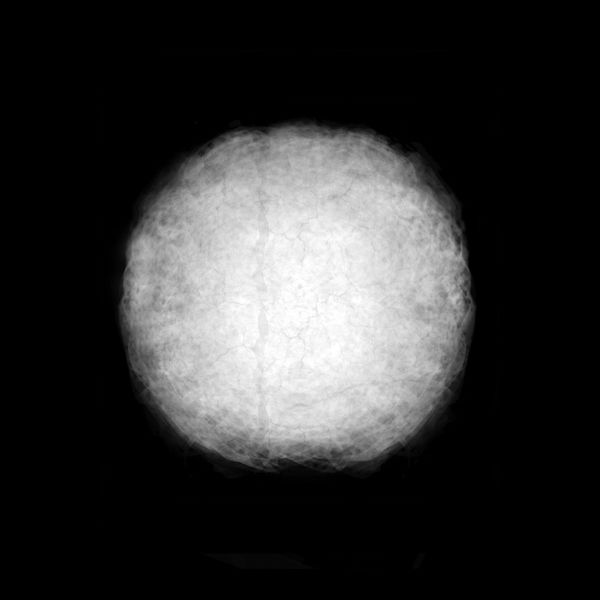
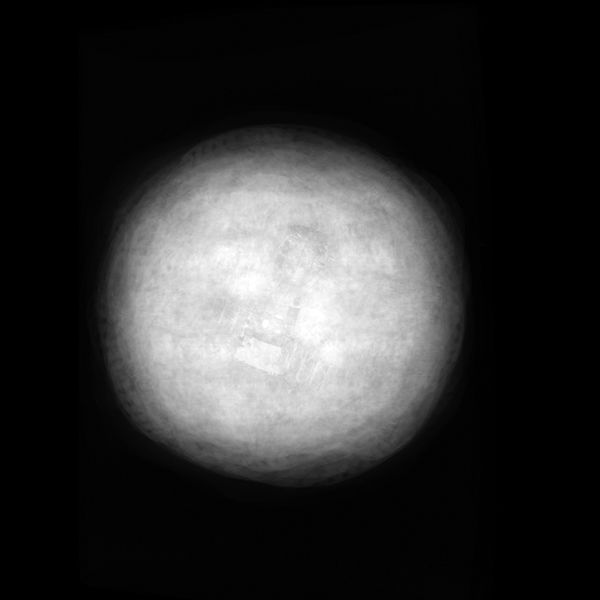
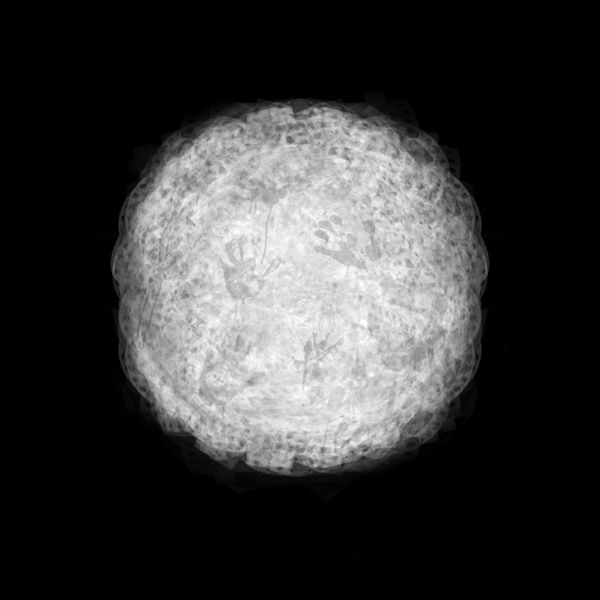
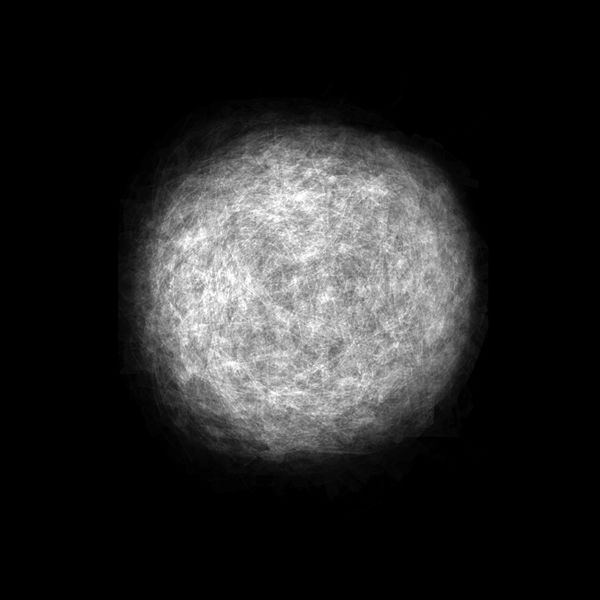
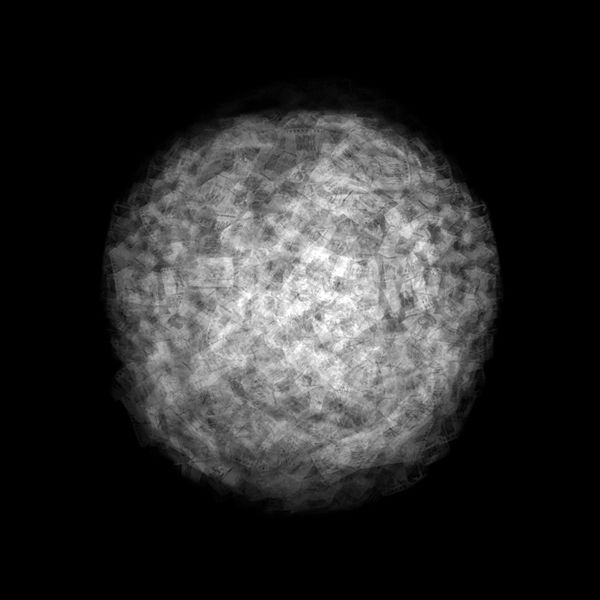
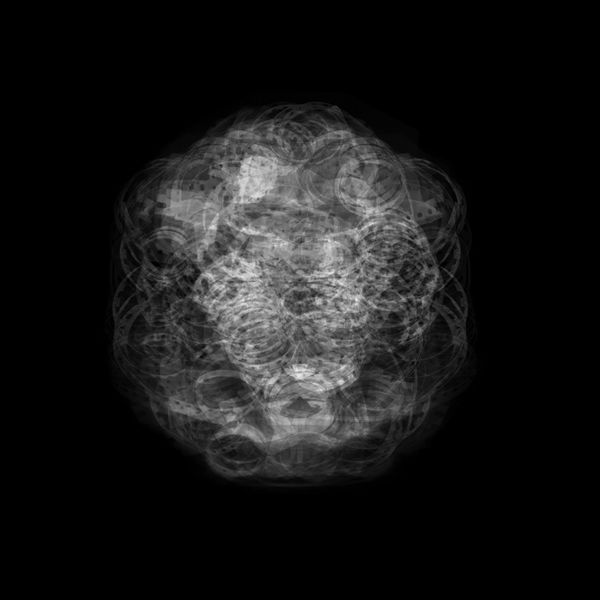
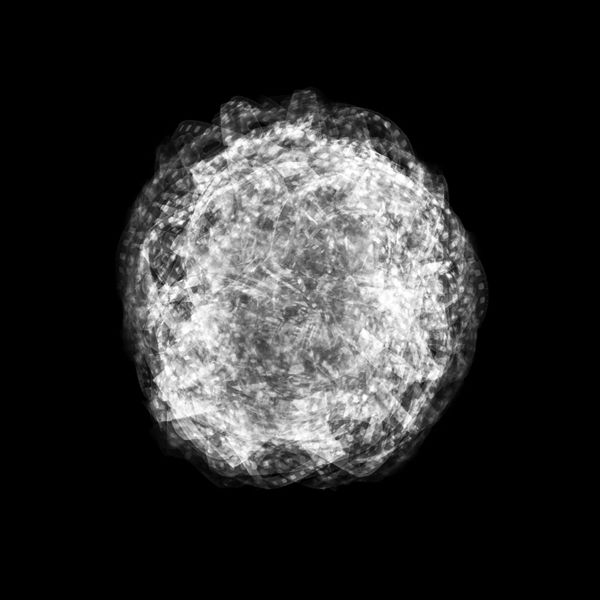
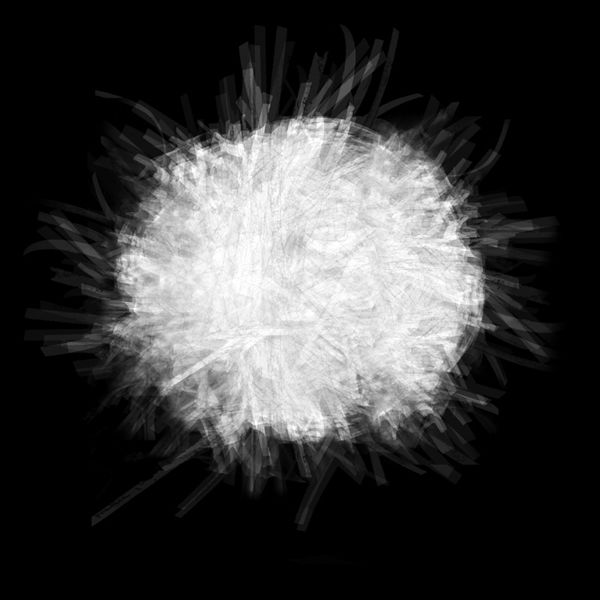
For this work, I returned to these notebooks and film rolls, deconstructed them and photographed the fragments again. Handwriting, typed text and strips of photographic film are broken apart and rearranged, becoming abstract forms that resemble planets suspended against a dark background.
The original material remains present within the images. The words can no longer be read as continuous texts, but the traces of their existence remain in the handwriting, type and photographic film. Something that was once copied in order to preserve a text is transformed again, while still retaining evidence of what it contained.
The title refers to Reiner Kunze's Die wunderbaren Jahre, published in the West in 1976. His writing about everyday life and young people in the GDR was important to me as a teenager. I recognised in his work experiences of pressure, exclusion and the difficulty of finding a way to remain oneself within a system that demanded conformity.
12 images, 60 × 60 cm.
Born in the 1960s in the GDR, I grew up in a country where access to literature was controlled and where writers and readers learned to navigate what could and could not be said.
I rediscovered notebooks containing poems and short stories by East German authors including Reiner Kunze, Peter Huchel and Sarah Kirsch. I only had access to some of these texts for a limited time. I copied them by hand into notebooks, photographed the pages onto film, and a friend typed many of the texts on a typewriter.
The act of copying was a way of keeping something that could otherwise become inaccessible. The handwritten pages, typed texts and photographic film became their own record of the literature I had encountered.
For this work, I returned to these notebooks and film rolls, deconstructed them and photographed the fragments again. Handwriting, typed text and strips of photographic film are broken apart and rearranged, becoming abstract forms that resemble planets suspended against a dark background.
The original material remains present within the images. The words can no longer be read as continuous texts, but the traces of their existence remain in the handwriting, type and photographic film. Something that was once copied in order to preserve a text is transformed again, while still retaining evidence of what it contained.
The title refers to Reiner Kunze's Die wunderbaren Jahre, published in the West in 1976. His writing about everyday life and young people in the GDR was important to me as a teenager. I recognised in his work experiences of pressure, exclusion and the difficulty of finding a way to remain oneself within a system that demanded conformity.
12 images, 60 × 60 cm.